When you step out onto your back porch with a morning coffee, what do you want to see? For many homeowners in Lexington, NC, and the surrounding Piedmont region, the answer is “not my neighbors.”
The quest for seclusion is a staple of homeownership. However, the method you choose to achieve that peace and quiet can change the entire character of your property. This brings us to the ultimate outdoor debate: privacy trees vs. fences. Specifically, for the North Carolina climate, is a tree screen vs. fence NC the smarter long-term investment?
In this comprehensive guide, we will dive deep into the aesthetics, costs, maintenance, and environmental impacts of both options to help you decide which “wall” is right for your sanctuary.
1. The Aesthetic Impact: Living Art vs. Static Barriers
The most immediate difference between a fence and a tree screen is the visual experience.
The Case for Privacy Trees
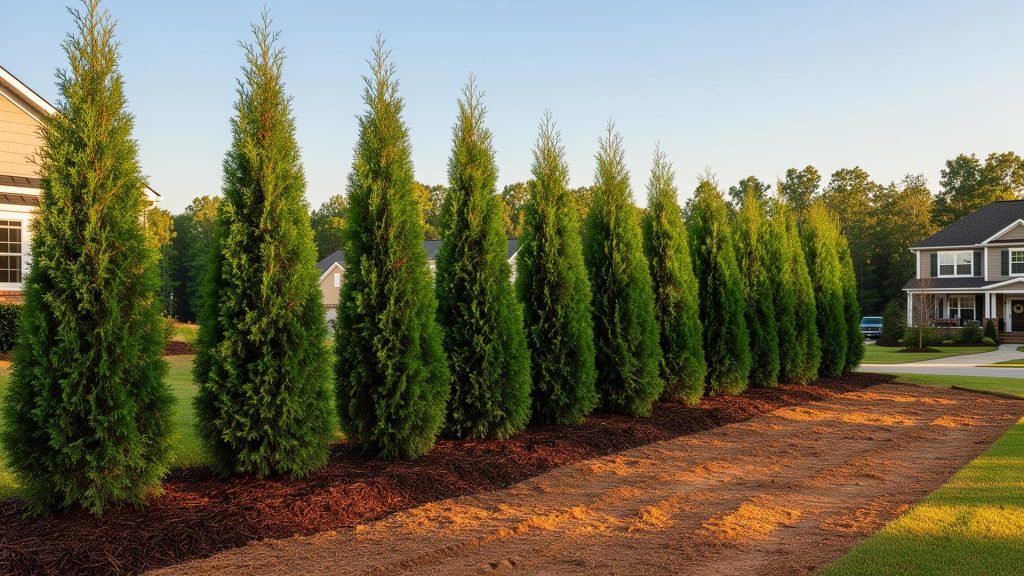
A privacy tree is more than just a barrier; it is a piece of living architecture. By opting for privacy tree installation, you are adding soft textures, varied shades of green, and a sense of movement to your landscape.
Unlike a fence, which creates a hard “stop” for the eye, trees provide depth. This can actually make a small yard feel larger and more organic. When you utilize professional tree species selection, you can choose varieties that offer different heights and densities, creating a custom aesthetic that a factory-made fence simply cannot replicate.
The Case for Privacy Fences
Fences offer a clean, modern look that many people appreciate for its symmetry. If you have a contemporary home, a high-quality horizontal slat fence might complement the architecture. However, fences can also feel “boxy” or claustrophobic. They create a definitive boundary that can sometimes make a yard feel like a cage rather than a garden.
2. Height Limitations and Zoning Laws
In many North Carolina municipalities and Homeowners Associations (HOAs), there are strict limits on how high a fence can be—often capped at 6 feet.
Why Trees Win on Height
A 6-foot fence might block the view of a neighbor’s lawn, but it won’t stop them from seeing into your yard from their second-story window. This is where the tree screen vs. fence NC debate usually ends. Privacy trees, such as Green Giant Arborvitaes or Nellie Stevens Hollies, can grow to 15, 20, or even 30 feet tall.
By strategically placing these trees, you can create a “vertical” privacy screen that shields your pool, patio, or bedroom windows from any angle. Before planting, it is vital to conduct a sunlight evaluation to ensure your chosen species has the energy to reach those impressive heights.
3. Acoustic Insulation: Noise vs. Silence
If you live near a busy road in Lexington or have neighbors with loud lawnmowers, sound dampening is likely a high priority.
- Fences: Standard wooden or vinyl fences are relatively thin. Sound waves hit the flat surface and often bounce over or under the structure, sometimes even echoing back into your yard.
- Privacy Trees: Dense evergreens act as natural sound “sponges.” The complex structure of needles, leaves, and branches breaks up sound waves and absorbs them. A thick row of trees can significantly reduce decibel levels, turning a noisy street-side yard into a quiet retreat.
4. Longevity and Maintenance Costs
When weighing privacy trees vs. fence, you have to look at the “Life Cycle Cost.”
The Maintenance of a Fence
A fence starts deteriorating the moment it is installed. Wood rots, warps, and requires power washing and restaining every 2–3 years. Vinyl can crack or become brittle in the NC sun. Eventually, every fence will need to be torn down and replaced, which involves stump grinding for posts and hauling away old materials.
The Maintenance of a Living Screen
A tree screen is an appreciative asset. While it requires water and occasional tree trimming, it grows more valuable and more effective every year. Rather than depreciating, your “living fence” gets stronger and thicker over time.
If you have existing trees that are in the way of your new privacy plan, our tree transplanting and site preparation services can help optimize your layout while preserving the natural feel of your property.
5. Environmental Benefits and Biodiversity
In today’s world, the environmental impact of our landscaping choices matters more than ever.
- Ecosystem Support: Trees provide homes for birds and beneficial insects. They help manage stormwater runoff and prevent soil erosion.
- Temperature Control: Trees undergo transpiration, which naturally cools the air around them. A yard surrounded by trees will often be several degrees cooler in the peak of a North Carolina summer than a yard surrounded by heat-absorbing vinyl or wood.
- Carbon Sequestration: Every privacy tree you plant helps pull carbon dioxide out of the atmosphere.
6. How to Get Started with Your Living Privacy Screen
Transitioning from a traditional fence to a natural screen requires a professional touch to ensure the health of your investment. At Piedmont Privacy Trees, we provide a comprehensive approach to local landscaping:
- Site Clearing: We handle the removal of old trees or stumps that might interfere with your new hedge.
- Assessment: We perform a sunlight evaluation to see which species will thrive in your specific micro-climate.
- Selection: We guide you through tree species selection to find the perfect match for your soil and height needs.
- Installation: Our privacy tree installation team ensures your trees are spaced perfectly for a seamless “wall” effect.
- Integration: Our full landscaping services can add mulch, flower beds, or lighting to complete the look.
Conclusion: Why Trees are the Ultimate Winner
While a fence provides an instant fix, it is a temporary one that requires constant upkeep and offers limited height. A privacy tree screen is a permanent, growing, and breathing addition to your home that pays dividends in beauty, silence, and property value.
When comparing privacy trees vs. fence for your North Carolina home, choose the option that grows with you.
Ready to start your transformation? Would you like me to create a customized maintenance schedule for the specific tree species common in North Carolina?