Why Privacy Trees Keep Dying on One Side (And What to Do About It)
You planted a beautiful row of Leyland Cypress or Green Giants along your fence line. For a while, everything looked great. Then one morning you walk outside and notice it — one side of your privacy trees is brown, patchy, or completely dead while the other side looks perfectly healthy.
This is one of the most common complaints we hear from homeowners in Lexington, Thomasville, and across Davidson County. And the frustrating part? It’s not always obvious what’s causing it.
In this guide, we’ll walk you through the most likely reasons your privacy trees are dying on one side — and exactly what you can do to fix it before the damage spreads.
1. Uneven Drainage or Water Pooling
If one side of your property has a slope, low spot, or poor drainage, that side of your tree row is likely sitting in water far longer than the other. Most privacy trees — especially Leyland Cypress and Arborvitae — are highly sensitive to root rot caused by waterlogged soil.
Signs this is your problem:
- The dying side is at the lower end of a slope
- You notice puddles or soggy ground near the base after rain
- Roots smell musty or look dark and soft when exposed
What to do: Improve drainage by grading the soil away from the root zone, installing a French drain, or raising the planting bed. In severe cases, the affected trees may need to be replaced.
2. Reflected Heat from Fences, Driveways, or Walls
This one surprises most homeowners. If your privacy trees are planted close to a concrete driveway, asphalt, vinyl fence, or brick wall, the heat radiating off those surfaces during summer can literally cook one side of your trees.
The reflective heat dries out foliage on the exposed side much faster than normal evaporation, leaving you with one brown side and one green side.
Signs this is your problem:
- Browning only on the side facing a hard surface (concrete, asphalt, vinyl)
- Symptoms are worst in July and August
- The foliage feels dry and brittle, not soft or mushy
What to do: Increase watering frequency on the affected side during peak summer heat. Adding a thick layer of mulch (3–4 inches) around the base helps retain moisture. If the trees are too close to a heat-reflective surface, consider transplanting them further away.
3. Root Competition from a Neighboring Tree or Structure
Underground root competition is often invisible until the damage is already done. If there’s a large established tree, a mature shrub, or even an invasive root system from a neighbor’s property on one side, your privacy trees may be losing the battle for water and nutrients — and it shows on the side closest to the competition.
Signs this is your problem:
- One side of your row is consistently thinner or lighter green
- There is a large tree or dense planting nearby on that side
- Soil on the struggling side looks compacted or root-filled
What to do: Deep root fertilization on the affected side can help. Installing a root barrier between the competing tree and your privacy row can prevent further intrusion. In some cases, selective removal of the competing plant is the only long-term fix.
4. Soil Compaction from Foot Traffic or Equipment
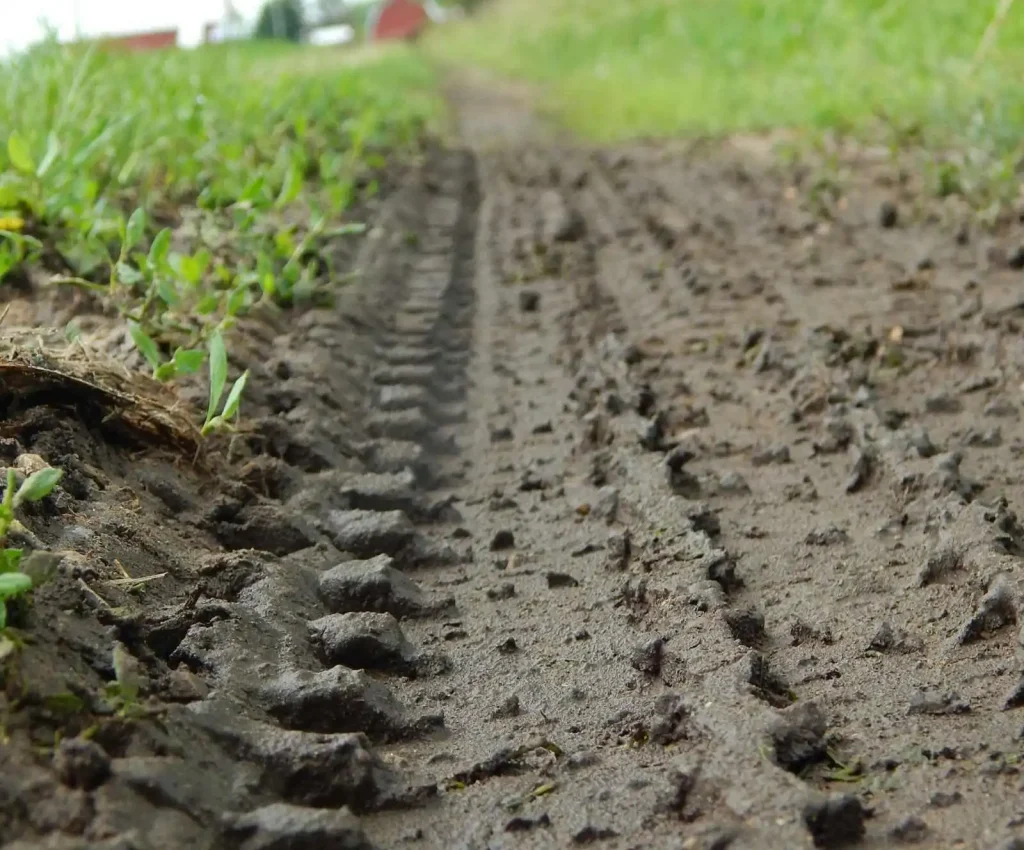
Have kids, pets, or lawn equipment that consistently runs on one side of your privacy tree row? Compacted soil suffocates roots by cutting off oxygen and water movement. Over time, the trees on that side will decline even if they’re being watered normally.
Signs this is your problem:
- The soil on the struggling side feels rock-hard when you push a screwdriver in
- Water pools on top of the soil rather than absorbing
- Decline is gradual and matches high-traffic zones
What to do: Aerate the soil around the root zone (carefully, to avoid root damage). Add organic compost to improve soil structure. Redirect foot traffic and keep equipment away from the root zone.
5. Pest or Disease on One Side Only
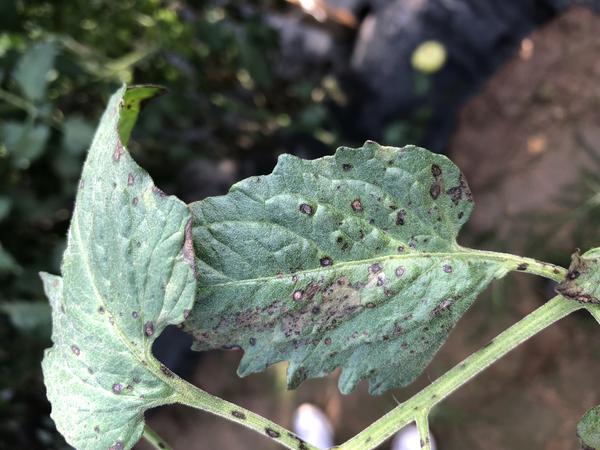
Certain fungal diseases and pests spread from one direction — carried by wind, water runoff, or a neighboring infected plant. Bagworms, spider mites, and Seiridium canker (common in Leyland Cypress) often start on one side of a tree row and spread if not caught early.
Signs this is your problem:
- You can see visible damage: webbing, cankers, discolored bark, or insect casings
- Browning starts at branch tips and works inward
- The pattern is irregular — not all trees on one side, just patches
What to do: Remove affected branches immediately to prevent spread. Apply an appropriate fungicide or pesticide based on what you identify. If you’re unsure what you’re dealing with, call a professional before the damage spreads to healthy trees.
6. Inconsistent Watering on One Side
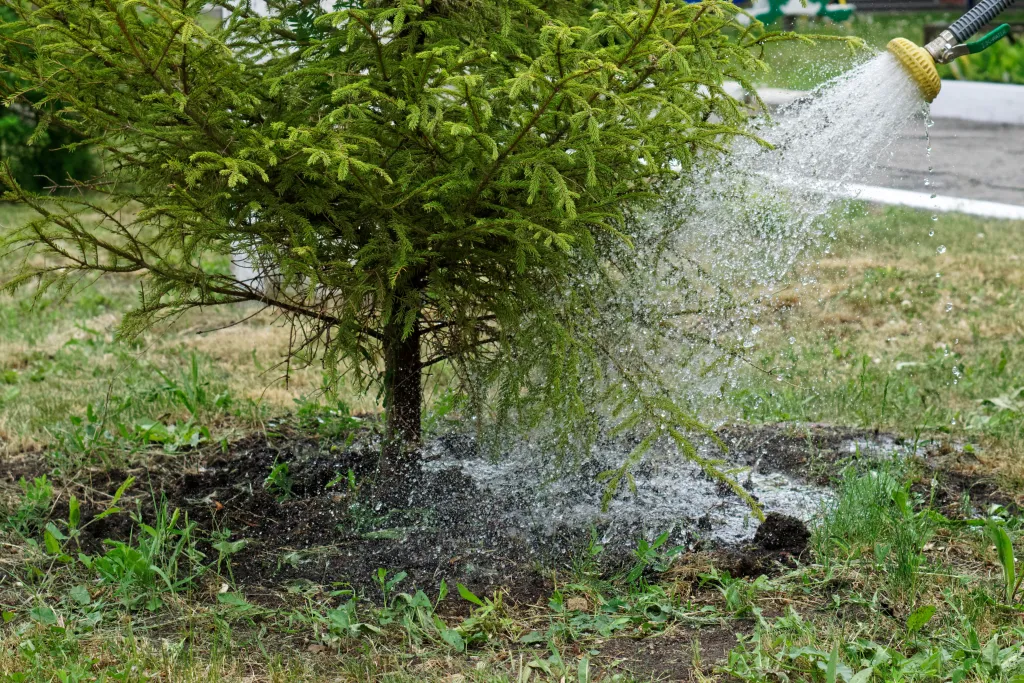
This seems obvious, but it’s more common than you’d think. If you have a drip irrigation system or soaker hose that has a broken emitter, a clogged section, or uneven coverage, one side of your tree row can be significantly underwatered without you realizing it.
What to do: Walk your irrigation line and check every emitter. Run your system and watch for dry spots. Adjust coverage so every tree receives consistent water — especially during the hot Davidson County summers.